Shredded Chicken Success: Cuts, Cooking & Shredding for Versatility
Shredded chicken is a true culinary chameleon, effortlessly transforming from a simple protein into the star ingredient of countless dishes. From comforting casseroles and vibrant salads to spicy tacos and hearty sandwiches, its versatility makes it an indispensable component for meal prep and everyday cooking. While store-bought rotisserie chicken offers convenience, mastering how to cook shredded chicken at home unlocks a new level of flavor, tenderness, and control, ensuring every bite is moist and delicious. This guide will walk you through the essential steps, from selecting the ideal cut to employing the perfect cooking method and shredding techniques, guaranteeing restaurant-quality results in your own kitchen.
Selecting the Perfect Chicken Cut for Shredding Success
The foundation of exceptional shredded chicken begins with choosing the right cut. Your selection will significantly influence the texture, moisture content, and overall flavor of your finished product. Understanding the characteristics of each popular option is key to achieving your desired outcome.
Boneless, Skinless Chicken Breasts
Often lauded for being a lean protein source, boneless, skinless chicken breasts are a popular choice due to their quick cooking time and ease of handling. They yield delicate, finely textured shreds that are perfect for dishes where a light mouthfeel is desired. However, their lower fat content makes them more susceptible to drying out if overcooked. To ensure succulence, it's crucial to monitor their internal temperature carefully and pair them with a moist cooking method.
Boneless, Skinless Chicken Thighs
For those prioritizing juiciness and a richer flavor, boneless, skinless chicken thighs are an unparalleled option. Their higher fat content and darker meat contribute to a naturally more tender and moist shredded product, even if cooked slightly longer. While they take a bit more time to cook through, the payoff is incredibly flavorful and forgiving chicken that resists drying out. This makes them ideal for hearty dishes where moisture is paramount.
Quality Matters: Free-Range and Organic Options
Regardless of whether you choose breasts or thighs, opting for higher-quality chicken can noticeably enhance your dish. Free-range or organic chicken, typically raised without harmful additives and with better welfare standards, often boasts superior flavor and texture. The meat tends to be firmer, more flavorful, and reacts better to various cooking methods, resulting in a more enjoyable eating experience.
Mastering the Art of Moist Cooking Methods
The secret to tender, juicy shredded chicken lies almost entirely in the cooking method. Dry chicken is tough to shred and unpleasant to eat, so selecting a technique that locks in moisture is paramount. Explore these tried-and-true methods designed to keep your chicken succulent and perfectly shreddable. For even deeper dives into moisture retention, be sure to check out Achieve Perfectly Moist Shredded Chicken: Essential Cooking Secrets.
Poaching: The Foolproof Path to Tenderness
Poaching is arguably the simplest and most effective method for producing consistently moist and tender shredded chicken. It involves gently simmering the chicken in a flavorful liquid, such as water, chicken broth, white wine, or even a mix infused with aromatics like bay leaves, peppercorns, and herbs. The low, steady heat ensures the chicken cooks evenly without drying out, resulting in delicate, easy-to-shred pieces. This method also boasts minimal cleanup, making it a go-to for many home cooks.
Braising: Infusing Flavor and Moisture
Braising elevates the flavor profile while ensuring remarkable tenderness. This technique involves lightly browning the chicken first to develop a rich outer crust, then slow-cooking it in a small amount of liquid (like broth, sauce, or diced tomatoes) in a covered pot. The lid traps steam, creating a moist environment that breaks down the chicken's connective tissues, yielding incredibly tender and flavorful meat that practically falls apart for shredding.
Stewing: Richness in Every Shred
Similar to braising but typically involving more liquid, stewing allows the chicken to cook slowly within a flavorful sauce or gravy. As the chicken simmers, it absorbs the robust flavors of the surrounding liquid, resulting in incredibly moist, tender, and deeply seasoned shreds. This method is fantastic for preparing chicken destined for curries, chili, or other dishes where the chicken is meant to be fully integrated with a rich sauce.
Steaming: Gentle and Healthy
Steaming offers a gentle, healthy way to cook chicken that preserves its natural moisture and nutrients. By suspending the chicken above boiling water, it cooks surrounded by steam, preventing any direct contact with the liquid that might leach flavor or nutrients. This method produces very tender, clean-tasting chicken that is excellent for lighter preparations or when you want the chicken's inherent flavor to shine through. For a comprehensive look at these techniques, don't miss Easy, Juicy Shredded Chicken: Master 4 Moist Cooking Methods.
The Essential Steps for Flawless Shredding
Beyond choosing the right cut and cooking method, a few crucial steps before, during, and after cooking will guarantee your shredded chicken is always perfect.
Seasoning for Depth of Flavor
Don't wait until the chicken is cooked to add flavor. Seasoning the raw chicken extensively before it hits the heat is paramount. A generous application of salt and freshly ground black pepper is a must, but feel free to experiment with other aromatics. Garlic powder, onion powder, smoked paprika, cumin, chili powder, dried oregano, thyme, and rosemary are all excellent choices. These spices will meld with the chicken as it cooks, infusing every fiber with a robust, delicious taste that permeates beyond the surface.
Precision Cooking to 165°F
Regardless of your chosen cooking method, ensuring the chicken reaches an internal temperature of 165°F (74°C) is non-negotiable for both food safety and optimal texture. Use an instant-read meat thermometer inserted into the thickest part of the chicken to verify doneness. This precise temperature ensures all harmful bacteria are eliminated while preventing overcooking, which is the primary culprit behind dry, rubbery chicken that's difficult to shred. Pulling the chicken off the heat as soon as it reaches 165°F will guarantee maximum moisture.
The Critical Rest Period
Once cooked, resisting the urge to shred immediately is vital. Allow the chicken to rest for 5-10 minutes before handling it. This crucial resting period permits the muscle fibers to relax and reabsorb the flavorful juices that have migrated to the center during cooking. Skipping this step is a common mistake that leads to dry, less flavorful chicken, as all the delicious moisture will escape onto your cutting board instead of remaining within the meat.
Shredding While Warm: Methods for Every Kitchen
For the easiest and most effective shredding, work with the chicken while it's still warm but cool enough to handle. As chicken cools, its muscle fibers tighten, making it much harder to pull apart. Here are several popular methods:
- Stand Mixer: For large batches, a stand mixer with the paddle attachment set to low speed is an absolute game-changer. The paddle efficiently pulls the chicken apart in mere seconds, making quick work of a big task.
- Hand Mixer: A hand mixer offers a similar, albeit smaller-scale, solution. Use the paddle attachment (or even regular beaters) on low speed to quickly shred chicken directly in the cooking pot or a bowl.
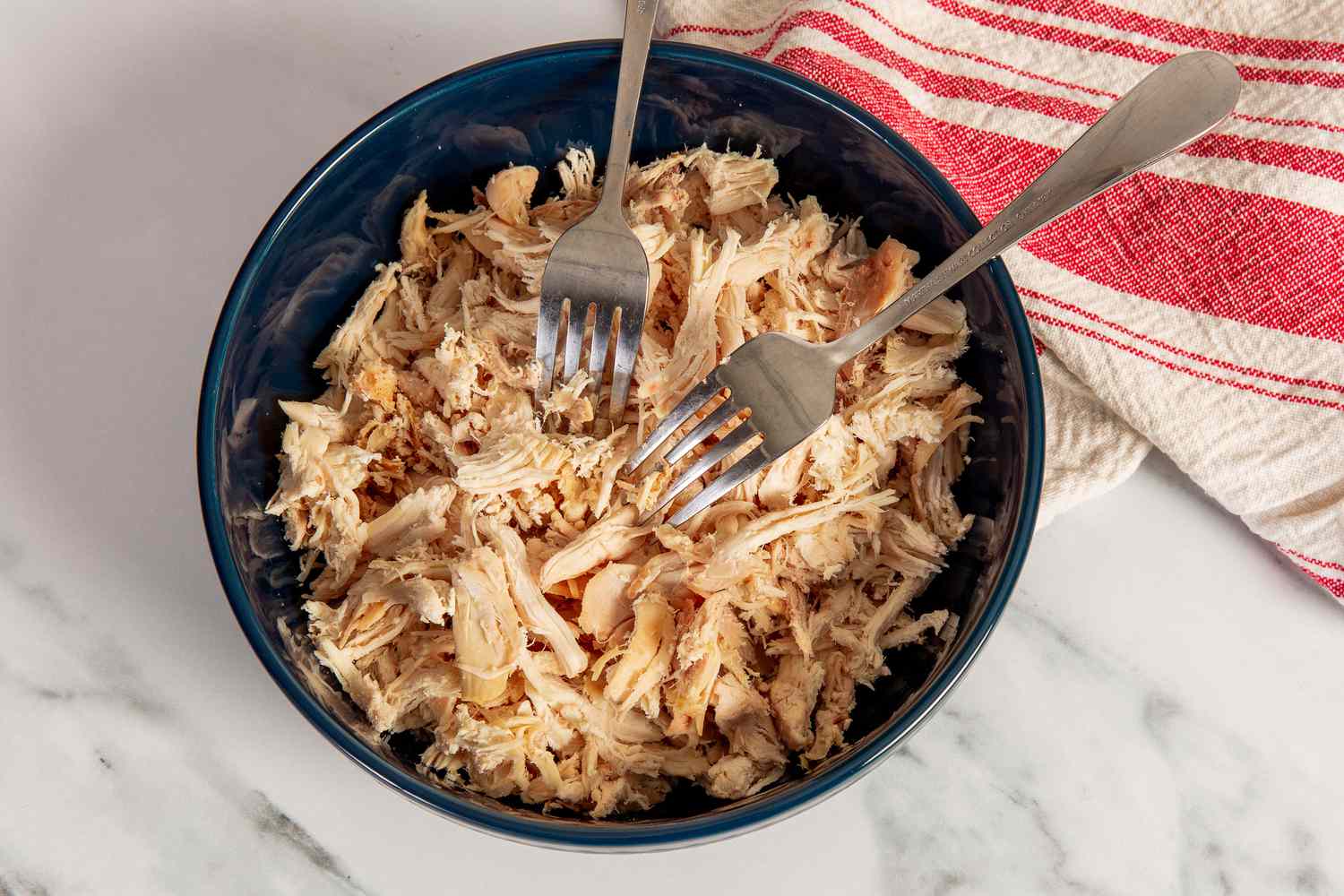
- Two Forks: This classic, no-fuss method is accessible to everyone. Simply place the chicken on a stable surface and use two forks to pull the meat apart in opposing directions, creating perfect shreds.
- Hands: Once the chicken is cool enough to handle comfortably, using your hands allows for precise control over the size and consistency of your shreds. This method is particularly good for creating varied textures, from chunky to fine.
Once shredded, taste a piece and adjust seasoning as needed. You might want to add a dash more salt, a squeeze of lime juice, or a sprinkle of fresh herbs, depending on its intended use. The beauty of homemade shredded chicken lies in its immense versatility; it's ready to be incorporated into tacos, enchiladas, burritos, salads, soups, pasta dishes, pizzas, and countless other creations. It's the ultimate meal prep champion, allowing you to whip up delicious, healthy meals throughout the week with minimal effort.
Mastering the art of how to cook shredded chicken is a fundamental skill that pays dividends in flavor, versatility, and efficiency in the kitchen. By carefully selecting your chicken cut, employing a moisture-retaining cooking method, and following the essential steps for seasoning, precise cooking, and proper shredding, you'll consistently produce tender, juicy, and flavorful results. Embrace these techniques, and you'll find yourself reaching for your homemade shredded chicken for countless culinary adventures, elevating your everyday meals from simple to extraordinary.
