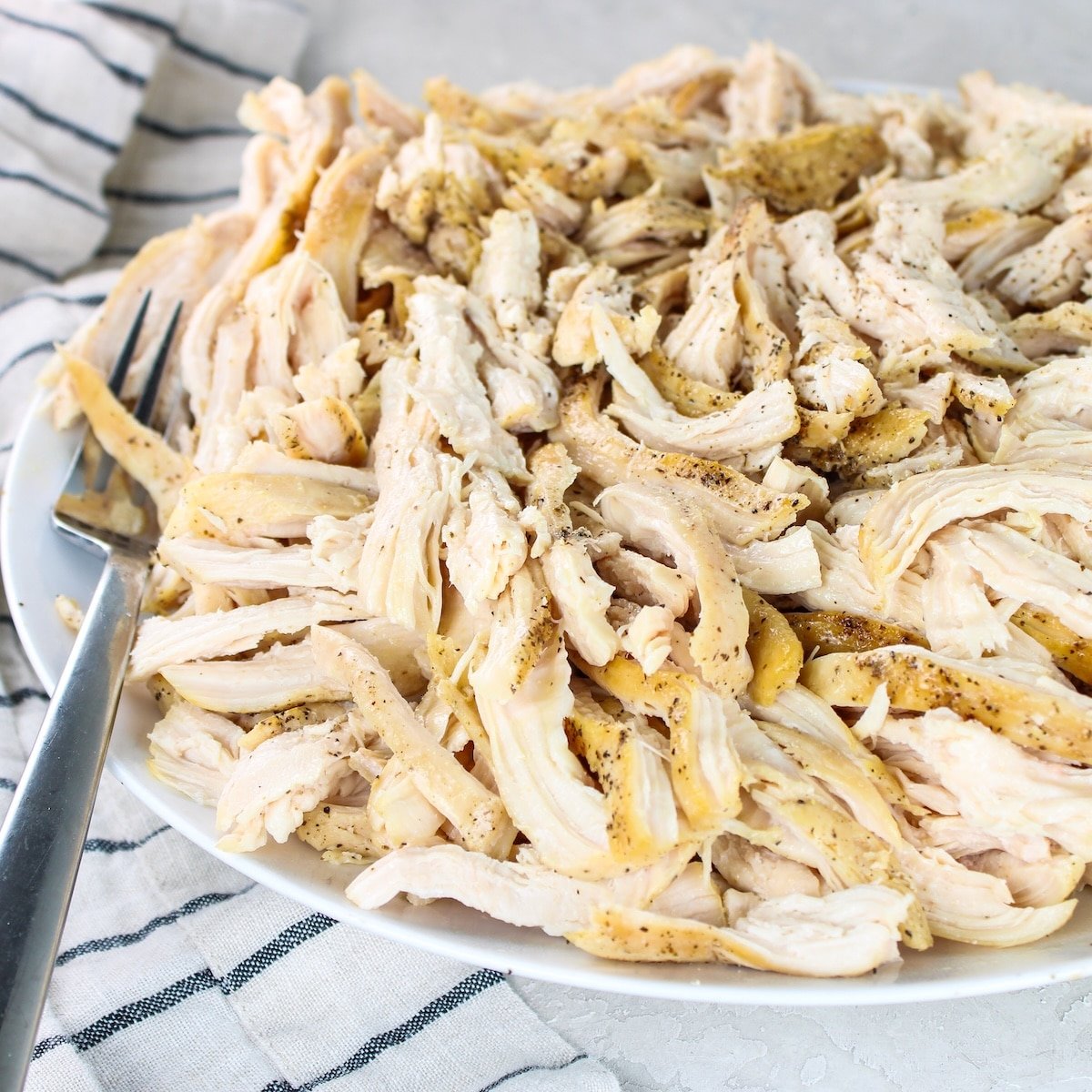
Shredded chicken is a culinary superstar – a versatile, protein-packed ingredient that forms the foundation of countless delicious meals. From tacos and sandwiches to salads and casseroles, its tender texture and ability to absorb flavors make it indispensable in any home kitchen. But the secret to truly spectacular shredded chicken lies not just in the shredding itself, but in how it's cooked. Forget dry, bland poultry; mastering the art of moist cooking methods ensures every strand is juicy, flavorful, and perfectly tender. If you're wondering how to cook shredded chicken that consistently delivers on taste and texture, you've come to the right place. We'll explore four foolproof moist cooking methods, along with essential tips, to elevate your shredded chicken game to restaurant quality.
The Foundation: Choosing & Preparing Your Chicken for Success
Before you even think about cooking, the quality and preparation of your chicken lay the groundwork for a successful shredded product. Making the right choices here will significantly impact the final juiciness and flavor.
Selecting the Perfect Cut
The first step in learning how to cook shredded chicken perfectly is choosing the appropriate cut. While various chicken parts can be used, boneless, skinless chicken breasts and thighs are the undisputed champions for shredding.
- Chicken Breasts: These are a lean option, cook relatively quickly, and yield a lighter-colored, finer shred. However, they are more prone to drying out if overcooked, so precision is key. If you're aiming for a classic, mild flavor profile that easily adapts to any dish, breasts are a great choice.
- Chicken Thighs: Thighs, with their slightly higher fat content, are much more forgiving. They take a bit longer to cook but consistently produce incredibly juicy, tender, and flavorful shredded chicken. Their richness is particularly delightful in heartier dishes like stews or tacos.
For the best results, consider opting for free-range or organic chicken. Not only are these often raised with higher welfare standards, but the meat itself tends to have a superior taste and texture, thanks to better diets and living conditions. This translates directly into more flavorful and satisfying shredded chicken. For an even deeper dive into selecting the best chicken cuts for shredding, check out our guide on Shredded Chicken Success: Cuts, Cooking & Shredding for Versatility.
Flavor Boost: Seasoning Your Chicken
Don't underestimate the power of seasoning *before* cooking. This isn't just about adding salt; it's about infusing the chicken with flavor from the inside out as it cooks. At a minimum, a generous sprinkle of salt and freshly cracked black pepper is essential.
Beyond the basics, unleash your creativity:
- Garlic & Onion Powders: Universal flavor enhancers that work with almost any cuisine.
- Paprika (Sweet, Smoked, or Hot): Adds color and a warm, sometimes smoky, depth.
- Cumin & Chili Powder: Perfect for a Tex-Mex or spicy profile.
- Dried Herbs: Oregano, thyme, rosemary, bay leaves (added to cooking liquid) lend aromatic complexity.
- Spice Blends: Experiment with pre-made blends like Italian seasoning, Cajun spice, or curry powder for specific culinary directions.
Rub your chosen seasonings generously over all sides of the chicken pieces. This simple step makes a profound difference, ensuring your shredded chicken is anything but bland.
Mastering Moist Cooking Methods for Shredded Chicken
The true magic of producing easy, juicy shredded chicken lies in the cooking method. The goal is to cook the chicken gently, surrounded by moisture, preventing it from drying out. Here are four excellent, tried-and-true methods:
Method 1: Poaching for Ultimate Tenderness
Poaching is arguably the most foolproof and gentle way to achieve incredibly tender, moist shredded chicken. It involves submerging and cooking chicken slowly in a liquid that maintains a gentle simmer, never a rolling boil.
- How it Works: The consistent, moderate heat from the surrounding liquid cooks the chicken evenly and gently, preventing muscle fibers from seizing up and becoming tough.
- Process: Place chicken in a pot and cover it with your chosen liquid (water, chicken broth, vegetable broth, or even white wine for extra flavor). Add aromatics like bay leaves, peppercorns, onion halves, or garlic cloves. Bring the liquid to a bare simmer, then reduce heat, cover, and cook until the chicken reaches the proper internal temperature.
- Benefits: Minimal effort, easy cleanup, and yields a very neutral, tender chicken that can be flavored in any direction post-shredding. Plus, you get a flavorful broth byproduct!
This method is often favored when you need large batches of basic, tender shredded chicken that you plan to season heavily later, perhaps for chicken salad or a versatile protein base.
Method 2: Braising for Deep Flavor
Braising offers a more robust flavor profile compared to poaching. It involves an initial browning step followed by slow cooking in a small amount of liquid in a covered pot.
- How it Works: Browning the chicken first creates a layer of savory caramelization (Maillard reaction), locking in flavor. The subsequent slow cook in liquid with a lid traps steam, creating a moist, self-basting environment that breaks down tough fibers and keeps the chicken incredibly tender.
- Process: Sear chicken pieces in a hot pan with a little oil until golden brown on both sides. Deglaze the pan with a small amount of liquid (broth, diced tomatoes, wine, or even beer), add the chicken back, cover tightly, and simmer gently on the stovetop or bake in the oven until cooked through.
- Benefits: Develops richer, deeper flavors in the chicken itself and often creates a delicious sauce or gravy that can be used with the shredded chicken.
Braising is excellent when your shredded chicken needs to carry more of the dish's flavor, such as for pulled chicken sandwiches or chicken in a rich tomato sauce.
Method 3: Stewing for Hearty Meals
Stewing is similar to braising but involves cooking the chicken submerged in a larger quantity of flavorful liquid or sauce. Here, the chicken becomes an integral part of a hearty stew.
- How it Works: The chicken cooks slowly within a rich, aromatic sauce, absorbing maximum flavor from the surrounding ingredients while remaining exceptionally tender due to the moist environment.
- Process: Typically, you'd brown the chicken (optional), then add it to a pot with vegetables, herbs, and a significant amount of liquid (broth, crushed tomatoes, coconut milk, etc.) to create a thick sauce. Simmer gently, covered, until the chicken is cooked and falling apart, and the sauce has thickened.
- Benefits: Produces chicken that is deeply infused with the flavors of the stew, and the sauce is ready to serve right alongside the shredded meat.
This method is ideal for dishes like chicken chili, curries, gumbos, or any recipe where the chicken and sauce are designed to be a unified, comforting meal.
Method 4: Steaming for Light & Healthy Shreds
Steaming is a wonderfully healthy and gentle way to cook chicken for shredding, preserving its natural flavor and moisture without adding any fats.
- How it Works: Suspending the chicken above boiling water allows it to cook gently and evenly in the rising steam. This indirect heat prevents dryness and keeps the chicken incredibly tender.
- Process: Place chicken pieces in a steamer basket over a pot of simmering water. Cover tightly and steam until the chicken reaches the correct internal temperature. You can add aromatics like ginger slices, lemon wedges, or fresh herbs to the simmering water for subtle flavor infusion.
- Benefits: Very healthy (no added oil), retains the chicken's pure flavor, and results in extremely moist and tender meat.
Steamed shredded chicken is perfect for lighter dishes like salads, Asian-inspired wraps, or whenever you want the chicken's natural taste to shine through without heavy seasoning.
The Critical Steps: From Cooked to Shredded Perfection
Cooking is only half the battle. The steps you take immediately after cooking are just as crucial for achieving that desirable moist and tender shredded texture.
Achieving Perfect Doneness: The Temperature Check
Regardless of the moist cooking method you choose, the single most important rule is to cook the chicken until it reaches an internal temperature of 165°F (74°C). This ensures any harmful bacteria are eliminated, making the meat safe to eat. Use an instant-read meat thermometer inserted into the thickest part of the chicken (avoiding bone) to check for doneness.
Warning: Overcooking is the arch-nemesis of moist shredded chicken. Even with a moist cooking method, pushing past 165°F will inevitably lead to dry, fibrous, and difficult-to-shred chicken. Pull it from the heat as soon as it hits the mark! For more vital cooking secrets to ensure perfectly moist chicken, read our guide: Achieve Perfectly Moist Shredded Chicken: Essential Cooking Secrets.
The Golden Rule: Rest Your Chicken
This step is non-negotiable for juicy results. Once cooked, transfer the chicken to a cutting board or plate and let it rest for 5-10 minutes before shredding. This resting period allows the muscle fibers to relax and reabsorb the flavorful juices that have migrated to the center during cooking. Skipping this step is a common mistake that leads to dry, flavorless shredded chicken.
Shredding Made Easy: While Still Warm
For the easiest and best texture, shred the chicken while it is still warm, ideally immediately after its resting period. As chicken cools, its muscle fibers tighten and firm up, making it significantly harder to pull apart. There are several efficient methods for shredding:
- Two Forks: The classic method. Simply use two forks to pull the chicken apart into shreds. Works well for any amount.
- Stand Mixer: For large batches, a stand mixer fitted with the paddle attachment on low speed can shred cooked chicken in mere seconds. It's incredibly fast and efficient.
- Hand Mixer: A hand mixer can also be used for smaller batches, offering a quick alternative to forks.
- Hands: Once the chicken is cool enough to handle, use your fingers to pull it apart for a more rustic, varied shred.
Pro Tip: As you shred, if the chicken seems a little dry, add a tablespoon or two of the flavorful cooking liquid back into the shredded chicken. This will enhance moisture and flavor.
Beyond the Basics: Elevating Your Shredded Chicken
Final Seasoning and Storage
Once shredded, take a moment to taste your chicken. This is your last chance to adjust the seasoning. You might want to add a pinch more salt, a squeeze of fresh lemon juice for brightness, or some fresh herbs (cilantro, parsley) to complement your dish. If using it in a specific recipe, you can also mix it directly with a sauce or dressing.
For storage, place the shredded chicken in an airtight container in the refrigerator for up to 3-4 days. It also freezes exceptionally well for longer storage – up to 2-3 months. Portion it out into smaller bags or containers for easy access when meal prepping.
Versatile Uses for Your Delicious Shreds
Now that you know how to cook shredded chicken perfectly, the culinary possibilities are endless!
- Tacos & Burritos: A staple filling, especially with a smoky or spicy seasoning.
- Salads: A lean protein booster for any green or grain salad.
- Sandwiches & Wraps: Chicken salad, BBQ chicken sandwiches, or simple chicken and veggie wraps.
- Casseroles & Enchiladas: The perfect base for comforting baked dishes.
- Soups & Stews: Adds substance and flavor to broth-based soups.
- Pizzas & Flatbreads: A delicious topping for homemade pizzas.
- Pasta Dishes: Stir it into a creamy pasta sauce or a light lemon-herb pasta.
Conclusion
Transforming simple chicken into juicy, flavorful shredded chicken is a skill that will pay dividends in your kitchen. By understanding the importance of choosing the right cut, seasoning thoroughly, and employing one of these four moist cooking methods – poaching, braising, stewing, or steaming – you unlock a world of culinary versatility. Remember the critical steps: cook to 165°F, rest the meat, and shred while warm. Master these techniques, and you'll consistently create easy, juicy shredded chicken that’s ready to star in any meal, proving that homemade truly is always best. So go ahead, experiment with these methods, and savor the incredible flavor and convenience of perfectly cooked shredded chicken.
